
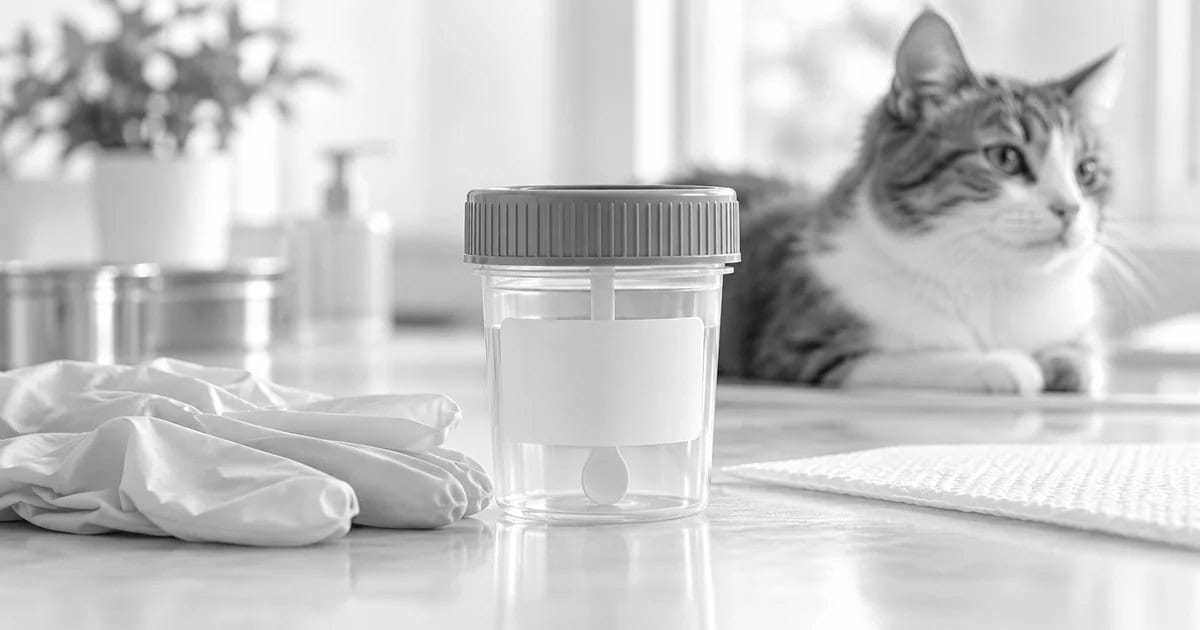
A stool test can help investigate intestinal parasites, but the answer depends on the method used and the sample submitted. Ask your veterinarian what the test is looking for, how to collect the sample and what a negative result would mean for your pet.
Are all stool tests the same?
No. Microscopy-based examinations, antigen tests and molecular tests look for different evidence. A named test or panel has a defined scope; it does not automatically cover every possible cause of diarrhoea.
The Companion Animal Parasite Council’s guidance describes differences between faecal flotation, antigen testing and PCR. It also links the testing plan to an animal’s age, health, lifestyle and exposure. Its guidance is useful background; the treating veterinarian should adapt decisions to the pet and local circumstances.
What should I confirm before collecting?
Call the clinic before bringing a sample. Ask for the required container, amount, collection timing and storage instructions. Mention whether the sample is for routine screening or an animal with symptoms.
A short checklist makes the handover easier:
- Animal identification and species.
- Date and time the stool was passed.
- Symptoms and when they began.
- Relevant parasite treatment and dates, as recorded by the clinic.
- Any difficulty keeping the sample separate from litter, soil or another animal’s stool.
Record actual facts. If the timing is unknown, say so rather than labelling an old specimen “fresh.”
How can I avoid a mix-up?
Use a separate labelled container for each animal unless the veterinarian has requested a specific pooled sampling plan. Do not assume that one household sample can represent every pet.
Keep the specimen closed and away from food preparation areas. Use gloves or another suitable barrier when collecting and wash your hands afterwards. CAPC includes avoiding bare-hand contact with animal waste among its hygiene recommendations.
Do not add chemicals or a preservative unless the laboratory has instructed you to do so for the particular test.
Does a negative result rule out every parasite?
A negative result means the test did not detect its target in that specimen. It does not establish that every intestinal parasite or other gastrointestinal condition is absent. Ask which organisms or markers were included and whether the symptoms call for further investigation.
Repeat sampling or a different method may be discussed when the first result does not answer the clinical question. Do not start or change medication solely from a laboratory report.
How does testing fit preventive care?
Keep a record of previous results, travel, boarding and parasite treatments for your veterinary consultation. Let the veterinarian set the testing interval rather than using one schedule for every animal.
Before submitting to eLAB Diagnostics, the clinic can check veterinary submission information and confirm the requested method and current availability on 1800 889 1900.
Frequently asked questions
Should every pet in the household share one sample pot?
No, unless a veterinarian has specifically requested pooling. Separate identification keeps individual results meaningful.
Can I use stool mixed with cat litter?
Tell the clinic how it was collected and ask whether it is suitable. Do not conceal contamination or improvise a replacement.
Does a stool test identify every cause of diarrhoea?
No. Its scope is limited to the investigation requested. The veterinarian decides whether other tests are needed.
Can an apparently healthy pet need testing?
Yes. Preventive assessment and symptoms are different reasons for testing; discuss the appropriate plan with your veterinarian.