
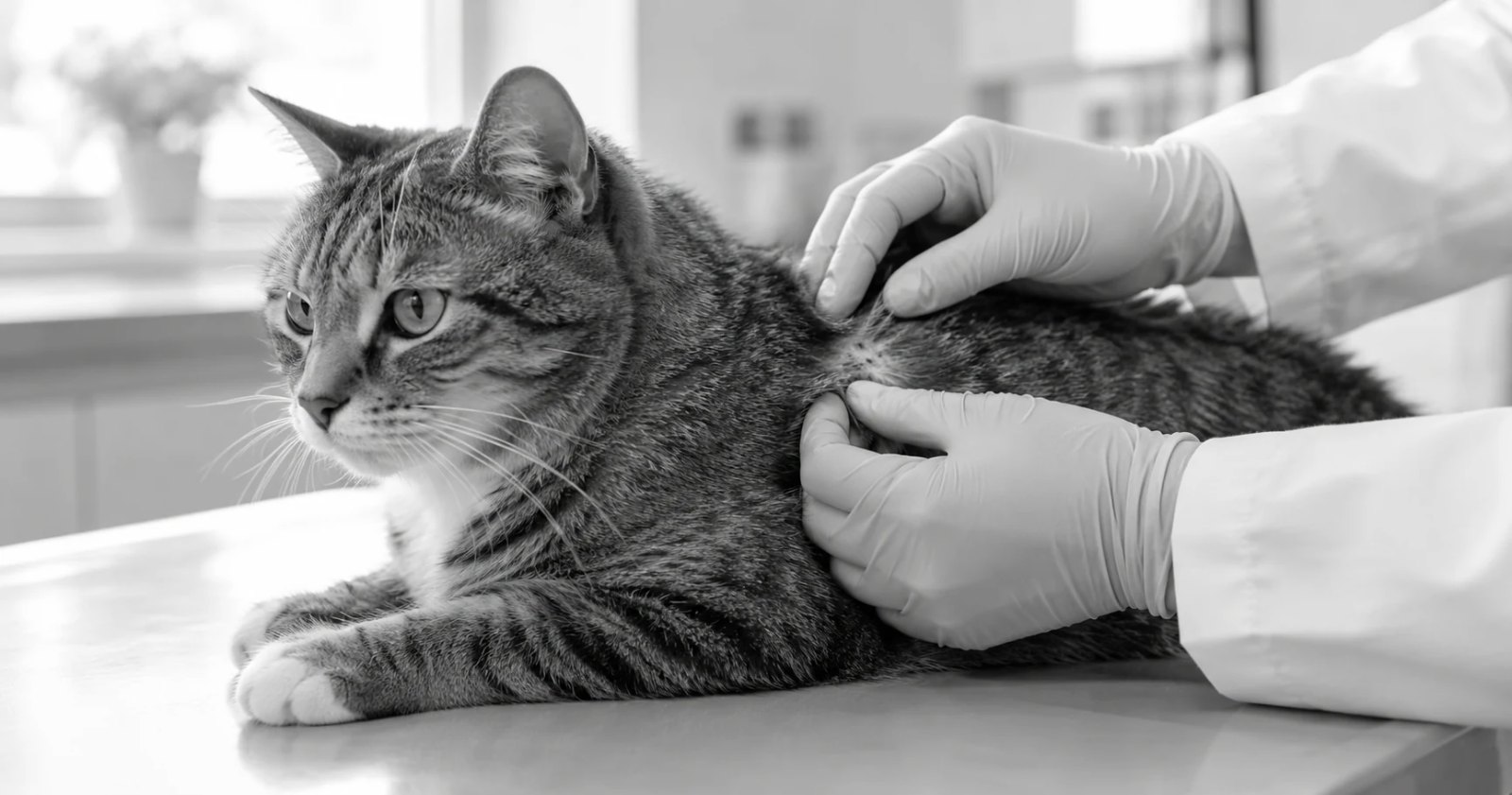
Ringworm is a fungal infection, despite its name. Hair loss or a scaly patch can prompt an investigation, but appearance alone does not establish the diagnosis. Your veterinarian may combine an examination with tests of hair or skin material to determine whether a dermatophyte fungus is involved.
Why might more than one test be recommended?
The tests provide different kinds of evidence. Examining suspect hairs can look for signs of infection, culture can help identify fungi, and a suitable PCR assay detects fungal DNA. The choice depends on the clinical question and the material available.
The World Association for Veterinary Dermatology consensus guidance describes complementary diagnostic methods and does not identify one test as a universal gold standard. Ask your veterinarian what each proposed test adds to the investigation, rather than expect every animal to need the same panel.
What does a Wood's lamp examination contribute?
A Wood's lamp can help a trained examiner locate suspect hairs for closer examination or sampling. It is a clinical tool, rather than a home screening shortcut. Equipment, technique and previous treatment can affect the findings.
The consensus guidance discusses these limitations. Tell the veterinarian about shampoos, creams and other treatment already used. Do not stop prescribed treatment or apply a new product just to prepare for testing unless the clinic instructs you to do so.
What can fungal culture tell you?
Culture investigates fungal growth from the submitted material. Its interpretation belongs alongside the examination and sample history. Finding fungal material on a coat and establishing the cause of a skin lesion are related questions, but they should not be treated as identical without clinical assessment.
The Merck Veterinary Manual's ringworm guidance explains the role of culture and clinical findings. Ask what organism was identified, whether the result fits the lesion, and whether further assessment is recommended. Do not interpret a culture container's appearance yourself.
Is fungal PCR interchangeable with culture?
No. PCR detects DNA and does not distinguish viable from nonviable fungal material. The Merck guidance explains this limitation. The veterinarian should choose the investigation that answers the current question, whether that concerns diagnosis or follow-up after treatment.
What should accompany a skin-sample submission?
Prepare a short case note with the animal's identity, species, lesion locations, when changes began, and relevant treatment. Record whether other animals in the household have skin changes. If the clinic requests photographs, use dated images showing the relevant area rather than sending an unrelated older photograph.
Specimen requirements differ between investigations. Cornell's feline dermatology plan illustrates that superficial and deeper lesions can require different material. It is background guidance, not an instruction to use Cornell's containers or quantities for another laboratory.
For eLAB, the referring clinic should confirm the requested investigation and submission arrangements through information for veterinarians. The tests catalogue lists fungal culture and skin investigations; confirm the exact current service before collection. Do not pluck hairs or scrape your pet's skin at home unless your veterinarian has specifically directed a suitable collection method.
Frequently asked questions
Does a circular bald patch prove ringworm?
No. Arrange a veterinary examination rather than diagnose from the shape of the patch.
Can ringworm affect people?
Yes. Ask the veterinarian about household precautions. If a person develops a concerning skin lesion, seek advice from a human healthcare professional.
Does better-looking skin mean treatment can stop?
Follow the veterinarian's plan. Ask how recovery will be assessed and whether follow-up testing is needed before changing treatment.
How long will the laboratory result take?
Confirm this for the specific investigation with the clinic and receiving laboratory. This guide does not promise a turnaround time.