
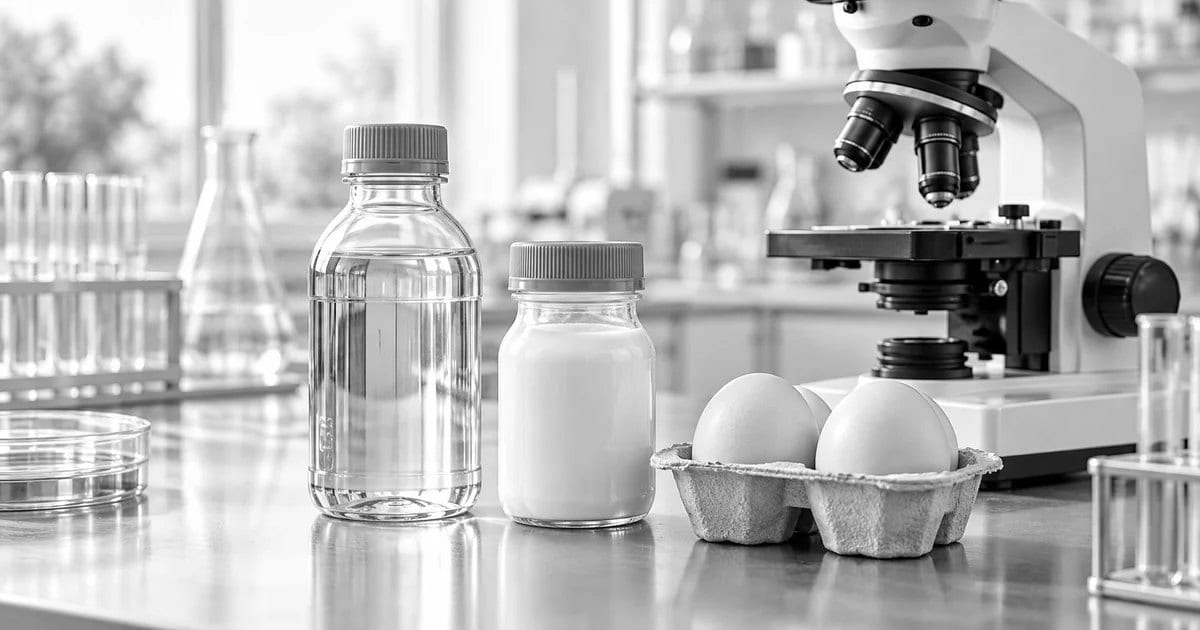
One Health connects the health of people, animals and their shared environment. For laboratory work, that means starting with a clear question: what concern is being investigated, which specimen represents it, and what will the result be used to decide?
What does One Health mean in practice?
The CDC’s One Health overview describes collaboration across human, animal and environmental health. It includes issues such as food safety, antimicrobial resistance and contaminated water.
For a farm, clinic or food business, the practical value is in connecting information across the relevant people and processes. A laboratory finding is more useful when its origin and purpose are understood.
One Health is an approach, not the name of a universal testing panel.
How should you frame a laboratory enquiry?
Instead of asking to “test everything,” describe the material and concern. Is the enquiry about an animal’s illness, a drinking-water source, a milk specimen or a particular food product?
Write down:
- What was observed and when.
- The material or animal being assessed.
- Its location or source.
- The intended use of the report.
- The professional responsible for interpreting the result.
- Any required standard, method or regulatory purpose.
This helps the laboratory decide whether it can answer the question and what additional information is needed.
Why must sample purpose be clear?
An animal clinical specimen, a farm-monitoring sample and a food-compliance sample may look related while serving different purposes. Ask which investigation is appropriate and who should collect the specimen.
For an enquiry about water, identify the source and intended use. For a food product, identify the product and the investigation needed. Do not select a container or preservative from a generic online checklist; confirm the receiving laboratory’s instructions.
Record source, collection time and handling details accurately. A result without a clear specimen identity can be difficult to act on.
Is a laboratory result automatically a compliance certificate?
No. Regulatory work has specific requirements. FSSAI’s food-laboratory information explains its recognition and notification framework and provides laboratory lists.
If a report is needed for a regulatory submission, confirm the required laboratory status and scope with the relevant authority. Do not assume that a general testing service or a website’s food-testing category establishes that recognition.
This article does not assert that eLAB Diagnostics is an FSSAI-notified laboratory.
How should results guide the next step?
Check that the specimen description and requested investigation match the report. Ask what the result establishes and what it leaves unanswered. The relevant veterinarian, food-safety professional or authority should guide action within their area of responsibility.
Keep reports together with the sampling records and follow-up decisions. That makes later comparison more meaningful than storing an isolated pass/fail screenshot.
eLAB’s website includes One Health among its activities. For a specific enquiry in Kochi, see the tests page or call 1800 889 1900 to confirm current availability, specimen requirements and the intended reporting scope.
Frequently asked questions
Is One Health a single test?
No. It is an approach linking human, animal and environmental health.
Does one satisfactory sample establish that every batch is safe?
Do not extend a result beyond the material and investigation it represents. Ask the responsible professional about the sampling plan.
Can a clinical milk sample also serve a food-compliance purpose?
Do not assume it can. Confirm the purpose, sampling procedure and required laboratory scope first.
Should a report be used without the sampling record?
Keep both together so the source, timing and investigation remain clear.