
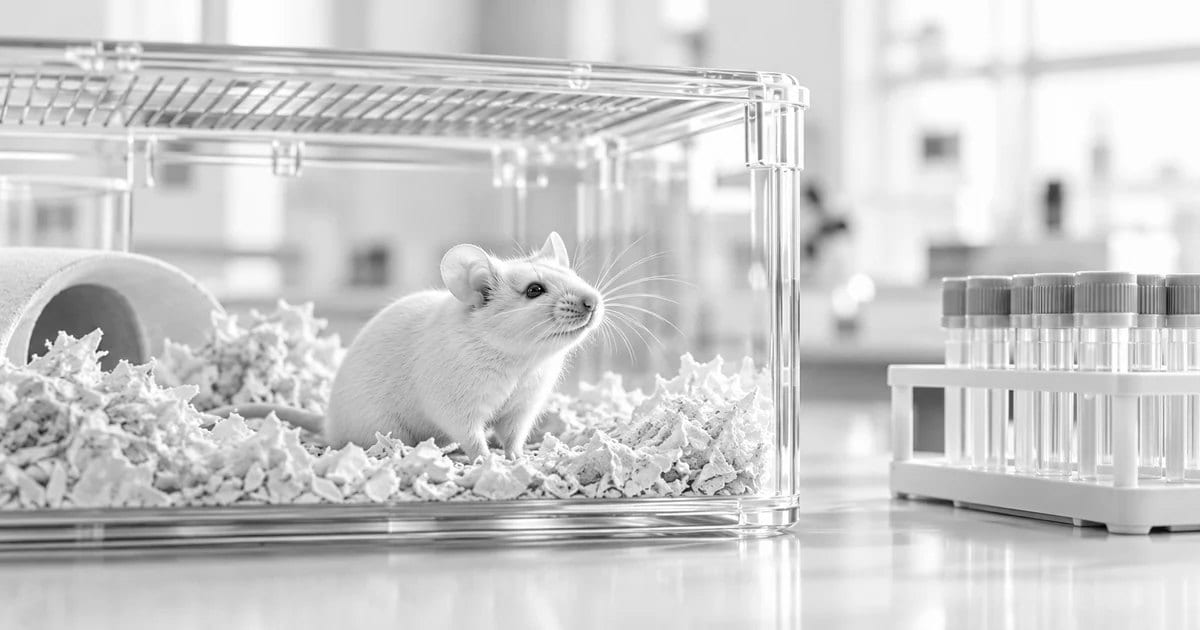
A useful rodent health-monitoring programme begins with a defined colony, a defined question and an agreed sampling plan. A panel name alone does not explain which animals or locations a result represents. Facility veterinarians and colony managers should agree the scope before specimens are collected.
What is the programme trying to establish?
Write the purpose in one sentence. Is it routine surveillance, an investigation after a clinical concern, or information needed before an animal transfer? Those purposes may lead to different sampling and interpretation decisions.
Record the unit being assessed: an animal, cage, rack, room or another clearly defined group. The result should be read at that level, rather than silently extended to the whole facility.
Where can environmental monitoring fit?
NC3Rs describes environmental health monitoring as an approach in which molecular analysis of material such as dust or soiled bedding can replace sentinel-animal use in appropriate rodent surveillance systems. It connects the approach with animal welfare and research quality.
That does not make one specimen or method suitable for every facility. Discuss the targets, housing system, sampling location and evidence supporting the chosen approach with the facility veterinarian and laboratory.
Environmental surveillance and investigation of an unwell individual animal also answer different questions.
What should a submission plan record?
Use a written sample map which links each specimen to its source. Include:
- Facility and project identifiers appropriate for the submission.
- Species and relevant colony information.
- Room, rack or cage identifiers.
- Intended target agents or panel scope.
- Collection date, method and collector.
- Recent transfers or relevant events.
- Agreed handling, transport and reporting arrangements.
Keep source codes consistent between the containers, submission list and facility record. If a specimen represents pooled material, document exactly what went into that pool.
What questions should be asked before ordering a panel?
Ask which targets the panel includes, what sample types are accepted and what the findings can establish. Confirm whether the method is appropriate for the proposed surveillance question.
Plan the response to an unexpected result before routine testing begins. Identify who will review it, who can request clarification and how facility decisions will be made. This keeps a laboratory result within an accountable veterinary and institutional process.
How should negative and positive findings be read?
A report applies to the targets, specimens and time represented by the investigation. Do not translate a negative panel into a claim that the facility is free of every pathogen.
For an unexpected positive finding, discuss confirmation and interpretation with the facility veterinarian and laboratory. Avoid making transfer or colony management decisions from an isolated screenshot.
eLAB’s public website includes laboratory animals among its areas of interest. To enquire about a specific investigation, use information for veterinarians or call 1800 889 1900. Confirm current capability and scope; a website category is not a verified assay list.
Frequently asked questions
Does environmental monitoring always replace every animal sample?
No. Suitability depends on the surveillance purpose and agreed programme.
Does a negative panel certify a pathogen-free facility?
No. Interpret it within its target list, specimen coverage and collection period.
Should pooled samples be labelled only with the room name?
Include the agreed sampling unit and a record of the pool’s contents so its scope remains clear.
Who should decide the follow-up action?
The facility veterinarian and responsible institutional team should interpret the result with the laboratory.